What is Under The Pavement?
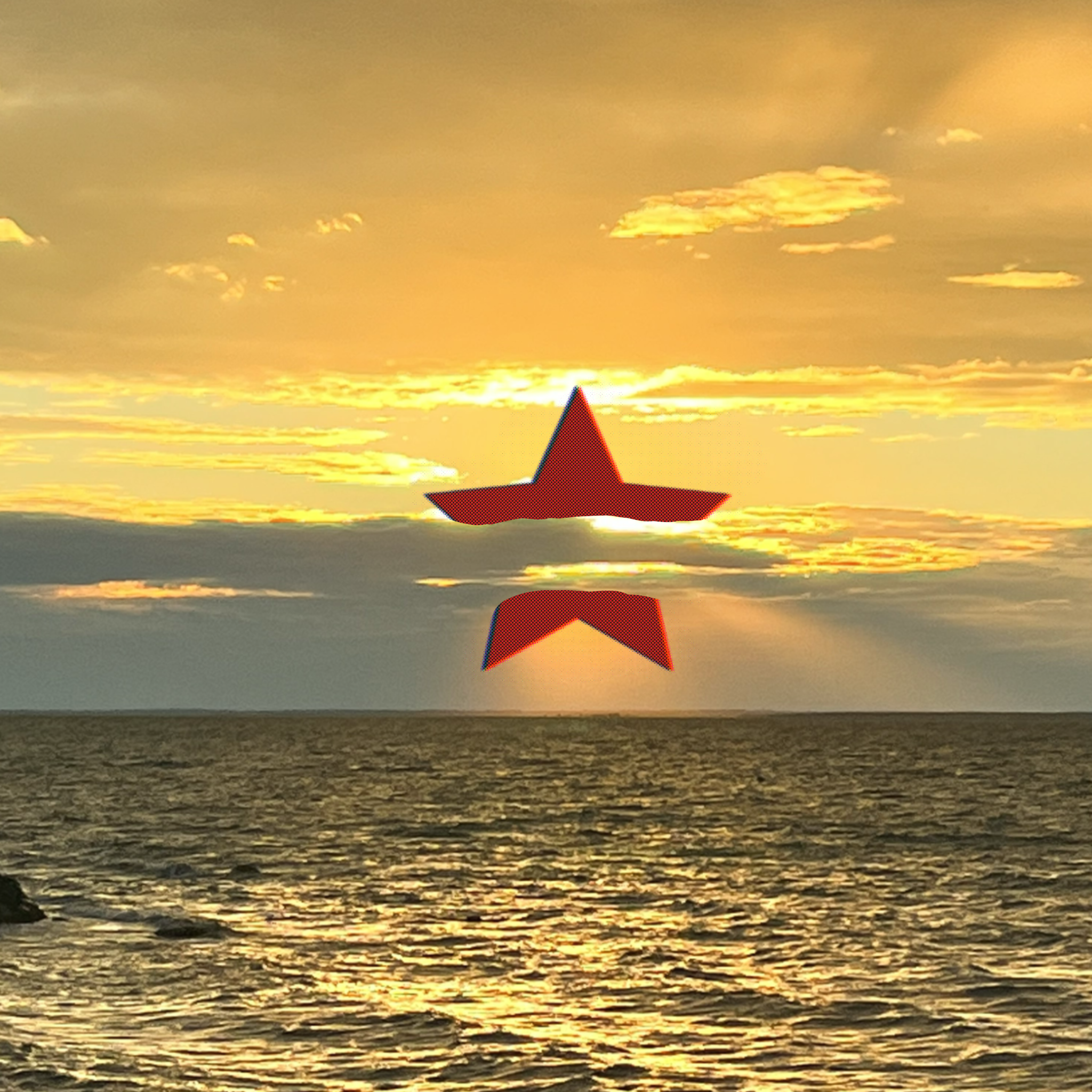
At the time of writing, I live on an eroding, wavering sandbar made completely irrelevant for the better part of the year. Despite how much we may love it, those of us who live here, we understand this implicitly. In the face of our dependence on the wealth of mainland tourists, their incursions into our local politics, their destruction of our ecosystems and eagerness to buy up every piece of land, we are forced to pretend that we like them; that they belong. The Cape is merely a convenient microcosm of a greater system of capitalism, where we are made by the imperialist kleptocracies of the world to rent our very own memories and homes while the pederast class eats caviar and lobster, insisting that is they who are serving us.
We drive down our decaying roads, further degraded in the winter snows and then overcrowded once the frost melts. We accept, save for the most active and empathetic students, that our beaches, trees and very homes are practically for sale if the mainland wealthy so desire them. We recall the stories of our grandparents of the droves of fish that once filled the bay and sea, now fished barren. If we are lucky, we buy tickets to see the whales, or wait eagerly for Sharkwatch to tell us that life -- real life, in all its danger and beauty, lurks near our miserable sandbar once again We accept that our family and friends will, in the cold of the slow season, rely on charity, government benefits, alcohol and opioids. Upon our beautiful home, once carved away from the mainland by countless workers, there is nothing but the idea of dignity for rent or loan.
The screens in your face tell you to blame the southern poor, or the immigrants. To hate your neighbors, who live and work alongside you. To go deeper and deeper into the screen, as though it is some thin membrane to penetrate -- deeper and deeper into some ‘truth’, narrated through slur-and-caricature laden memes or the assorted falsehoods of the political dichotomy, in which we are asked -- no, told -- to believe that there is a party fighting for us. Why, then, does the bluest state still slave for the wealthy? Why, then, do the Democrats hardly seek to distinguish themselves from the Right? Why, then, have we allowed the aging and mansion-dwelling upper class to take the yoke of Progress, and all the hope and sanctity that golden calf of a word carries, and lay it on young shoulders? The simple fact, and what any person aware of their place in society -- their class, to use a word which the corporate media is allergic to -- must acknowledge is that their democracy is functioning exactly as intended. Occasionally, the Democrats will lob out a word like fascism and position themselves as the antifascists, but it is plain to see that they do this only to guarantee the safety of their seats in government. Why else, then, do liberal-aligned protests accomplish so little? In an era when we are so acutely aware of collaboration between global powers (in the name of profit and imperialism) it is time to accept that there is no underlying truth or goodness to our so-called democracy. Each day, we witness the two neoliberal parties (differing not in ideology, but appearance and aesthetic) playact at democracy. Where is the party of the working class? Where is the honesty, or the change? How can we still grasp at half-measured promises of Universal Basic Income or Single Payer Healthcare when we know, like all progress, they will be ripped away when we rest, even for a moment? For decades and generations, hardworking people have been lied to and cowed into believing that they can truly trust wealthy, careerist politicians with whom they have nothing in common with, and the most we can muster is apathy.
Under the Pavement was a title we chose both because of and in spite of this. We take our name from the slogan of the Situationists, a group of interesting, though rather ineffectual French revolutionaries from the 1960s. Their chant, appearing in artwork, music and signage, ‘Sous les pavés, la plage’ (under the pavement, the beach) reflects what we feel to be the single greatest sense of alienation present anywhere in the world — the alienation of a person from their labor, from the Earth, and from humanity itself. With this name comes a promise that we will, with what little power we have, bring to light the suffering, the abuses, and the lies that so greedily penetrate our society. If you’ll forgive a metaphor, we will tear up the pavement and show you the beach.
Until Forever, Flick Larkin